Bacchus Partners provides Complying Development Certificates for eligible residential, commercial and industrial projects across NSW, including Nowra, the Shoalhaven, Wollongong, Illawarra, Southern Highlands, Goulburn and surrounding regions.
A Complying Development Certificate, often called a CDC, can provide a faster approval pathway for straightforward building work that meets the relevant NSW planning and building requirements. For many homeowners, builders, owner-builders and developers, it can be a more direct alternative to a full Development Application through council.
The team at Bacchus Partners can review your proposed project, assess whether the CDC pathway may be suitable, check the required documentation and issue the certificate where the project meets the relevant requirements.
A faster approval pathway for eligible building projects
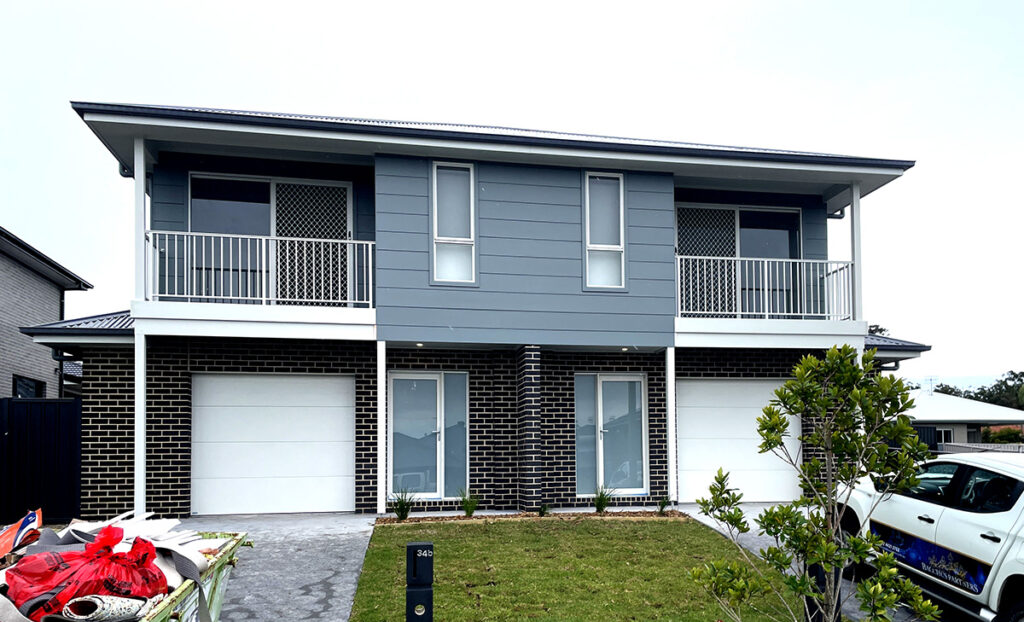
Not every project needs to go through a full Development Application process. In NSW, some residential, commercial and industrial projects may be approved as complying development if they meet specific development standards.
A Complying Development Certificate combines planning and construction approval in one certificate. It is designed for more straightforward development that meets set rules, rather than projects that need a more detailed merit assessment through council.
This can make the process clearer and more efficient, especially when the design, site conditions and supporting documentation are suitable from the start.
What is a Complying Development Certificate?
A Complying Development Certificate is an approval for eligible development that meets prescribed NSW planning and building standards.
NSW Planning describes complying development as a combined planning and construction approval for straightforward development that can be assessed through a fast-track process by a council or an accredited certifier.
In simple terms, a CDC confirms that the proposed work complies with the relevant requirements and can proceed without needing a full Development Application.
A CDC may be suitable for certain types of residential, commercial or industrial development, depending on the site, zoning, planning controls, proposed works and supporting documentation.
Common examples may include:
- new homes
- duplexes
- rural buildings
- fire safety measures
- agritourism including farm gate premises and farm stay accommodation
- medium density housing
- terrace housing
- manor housing
- group homes
- home additions and alterations
- secondary dwellings
- sheds, garages and carports
- swimming pools
- commercial alterations, additions and fit-outs
- industrial buildings or alterations
- changes of use
- demolition work,
Eligibility always depends on the specific property and project. A project that appears straightforward may still be affected by site constraints, planning controls, bushfire requirements, flood controls, heritage considerations, easements, setbacks, height limits, floor space controls or other restrictions.
When is a CDC the right pathway?
A CDC may be suitable when the proposed work clearly fits within the complying development rules and the documentation is complete enough for assessment.
This pathway is often worth exploring when you want to:
- get a fast approval
- confirm whether your project can proceed without a full DA
- clarify the correct approval pathway early
- reduce documentation
- reduce council involvement
- save on consultants fees and application fees
The main thing to understand is that a CDC is not a shortcut around the rules. It is a faster pathway for projects that meet the rules.
If the proposed work does not comply with the relevant standards, the CDC pathway may not be available and a Development Application may be required instead.
How Bacchus Partners can help
Bacchus Partners helps homeowners, owner-builders, builders and developers understand whether a Complying Development Certificate is the right pathway for their project.
The team can assist with:
- reviewing your proposed project
- checking whether complying development may be available
- identifying the documentation required for assessment
- assessing plans and supporting information
- issuing a CDC where the project meets the relevant requirements
- advising on next steps if the CDC pathway is not suitable
- providing Principal Certifier services where required
- carrying out Critical Stage inspections during construction
- supporting the project through to final certification
- issue a Occupation Certificate
Early advice can make a significant difference. If the approval pathway is unclear, getting the right certification input at the beginning can help avoid wasted time, redesign work or unnecessary back and forth.
CDCs for residential projects
For homeowners, owner-builders and residential builders, a CDC may be suitable for a range of common building projects.
These can include new homes, alterations, additions, garages, sheds, carports, secondary dwellings, swimming pools and other eligible residential work.
Bacchus Partners can review the proposed residential project against the relevant requirements and help identify whether the work may be suitable for complying development.
This is particularly useful for property owners who are trying to understand whether they need a full Development Application, a Complying Development Certificate, a Construction Certificate or another approval pathway.
CDCs for commercial and industrial projects
Complying development is not limited to residential work. Commercial and industrial projects may also be eligible, depending on the proposed use, building type, site conditions and planning controls.
Bacchus Partners can assist with eligible commercial and industrial projects, including new builds, certain fit-outs, alterations, additions, changes of use and other works that may fall within the complying development pathway.
For builders, developers and business owners, this can help clarify whether a project can proceed through a more streamlined approval process or whether a different approval pathway is required.
CDC or Construction Certificate?
A Complying Development Certificate combines planning and construction approval for eligible development. It can be used when the proposed work meets the relevant complying development standards and does not require a full Development Application.
A Construction Certificate is usually required after a Development Application has already been approved by council. The DA provides planning approval, while the Construction Certificate confirms that the construction plans and specifications are consistent with the consent and relevant building requirements.
In practical terms:
- a CDC may allow eligible work to proceed without a DA
- a Construction Certificate usually follows an approved DA
- both pathways require the right documentation
- you need a CDC or CC to be in place before relevant building work starts
- the correct pathway depends on the site and proposed works
If you are unsure which pathway applies, Bacchus Partners can help you understand the next step.
What information is usually needed for a CDC assessment?
The exact documentation required will depend on the project, but a CDC assessment will usually need clear plans and supporting information that show the proposed work meets the relevant standards.
This may include:
- architectural plans
- site plans
- floor plans
- elevations and sections
- construction details
- a current title search
- deposited plan or survey information
- planning certificates
- BASIX documentation, where required
- engineering details, where required
- stormwater details
- bushfire, flood or other specialist reports, where relevant
- owner, builder and site details
- any other documents required for the specific project type
Complete documentation helps the assessment process run more smoothly. Missing or unclear information is one of the most common causes of delay.
What can delay a Complying Development Certificate?
A CDC can be an efficient approval pathway, but delays can still happen if the project or documentation is not ready for assessment.
Common causes of delay include:
- incomplete plans
- missing supporting documents
- unclear site boundaries or setbacks
- design elements that do not meet complying development standards
- unresolved stormwater or drainage details
- bushfire, flood, heritage or environmental constraints
- inconsistencies between drawings and reports
- changes made part way through the assessment
- uncertainty about the correct approval pathway
- Non-payment of fees
- Required approvals from other authorities
The best way to avoid delays is to talk to your Certifier, confirm the likely approval pathway early, and make sure the documentation is clear before the application is lodged.
Local certification support across the Shoalhaven, Illawarra and Southern Highlands
Bacchus Partners is based in Nowra / Bomaderry and works with clients across the Shoalhaven, Illawarra, Southern Highlands, Goulburn and the wider South Coast region.
The team regularly assists with residential, commercial and industrial certification for projects in areas such as Nowra, South Nowra, Bomaderry, Worrigee, Berry, Ulladulla, Kiama, Wollongong, Shellharbour, Bowral, Mittagong, Moss Vale and Goulburn.
While the CDC requirements are set at a NSW level, local knowledge still matters. Site conditions, local development patterns, coastal settings, rural-residential properties, established town centres and industrial areas can all affect the way a project needs to be reviewed and documented.
Why choose Bacchus Partners?
Bacchus Partners has provided building certification services since 1999. The business is family-owned and based in Nowra, with experience across residential, commercial and industrial projects.
Led by Paul Bacchus, an A2 accredited certifier with more than 25 years of experience, the team provides practical certification advice for homeowners, owner-builders, builders, developers, agents and property professionals.
Clients work with Bacchus Partners because they want fast, clear advice, responsive communication and a certification process that helps their project keep moving.
Related building certification services
Bacchus Partners can also assist with:
- Construction Certificates
- Principal Certifier services and critical stage inspections
- Occupation Certificates
- Swimming Pool Compliance Certificates
- Depreciation Reports and Schedules
Frequently asked questions
What is a Complying Development Certificate?
A Complying Development Certificate is a combined planning and construction approval for eligible development in NSW. It can be used for certain residential, commercial and industrial projects that meet specific development standards.
Is a CDC faster than a Development Application?
A CDC can often be faster than a full Development Application because it is assessed against set complying development standards. However, the project must meet the relevant requirements and the application still needs complete documentation.
Can Bacchus Partners issue a Complying Development Certificate?
Yes. Bacchus Partners can assess eligible projects and issue a Complying Development Certificate where the proposed work meets the relevant NSW requirements.
Do I need council approval if I get a CDC?
A CDC can be issued by a council or an accredited certifier and may remove the need for a full Development Application where the project is eligible. However, the work still needs to comply with the relevant planning and building requirements.
What happens if my project is not eligible for a CDC?
If your project is not eligible for a CDC, you may need to follow a different approval pathway, such as a Development Application through council followed by a Construction Certificate. Bacchus Partners can help clarify the likely next step.
Can I start building once the CDC is issued?
You should not start building until the correct approvals are in place and any required pre-construction steps have been completed. This may include appointing a Principal Certifier and meeting any conditions attached to the approval.
Need help with a Complying Development Certificate?
If you are planning a new home, renovation, addition, shed, secondary dwelling, commercial fit-out or industrial project, Bacchus Partners can help you understand whether a Complying Development Certificate may be the right approval pathway.
Send through your project details and the team will help clarify the next step.